



Estheticians and cosmetologists are both important players in the beauty industry, but they have different areas of expertise. Estheticians focus on skincare, offering services like facials and chemical peels. In contrast, cosmetologists deliver a wider variety of beauty services, covering hair, nails, and makeup. Your decision between these two paths often comes down to whether you’re more passionate about skincare or the overall beauty experience and what you envision for your future ... Read more
Trades & Industry
What Is the Difference Between a Master Esthetician and an Esthetician?

If you're in Virginia and thinking about a career in esthetics, it's r helpful to understand to know the difference between a master esthetician and an esthetician. This knowledge can not only guide your career choices but also help expand your skill set and potential career options. To put it simply, estheticians provide essential skincare services like facials and waxing. Master estheticians, on the other hand, elevate their game with advanced skills. They can perform specialized procedures ... Read more
What Is the Difference Between a Lineman and an Electrician?

Linemen spend most of their time outdoors, working on high-voltage power lines and overseeing the transmission and distribution of electricity. On the flip side, electricians usually work indoors, managing wiring and electrical installations within buildings. Linemen typically go through about 15 weeks of training via certificate programs or apprenticeships, while electricians usually spend around a year training in trade schools. AttributeLineman (Lineworker)ElectricianWork SettingOutdoor, ... Read more
Clinical vs. Administrative Medical Assistant: Which Path Fits You?

Quick Answer: Is Welding Dangerous? Choosing a career in medical assisting can offer different pathways depending on your interests. It plays a fundamental role in our healthcare system! As a medical assistant, you can take one of two main paths: clinical or administrative. Each has its own set of responsibilities and opportunities, so finding the one that fits your skills and career goals is essential. In this guide, we'll help you discover which specialization might be right for you, so you ... Read more
Electrical Lineman Salary: Entry-Level to Experienced Pay Ranges Explained

The median electrical lineman salary is $92,560 per year, and getting there doesn't require a four-year degree. Most linemen enter the field through a short-term technical training program or an apprenticeship, then build their pay as they gain experience. Actual wages vary by employer, location, and experience, but the data shows a consistent upward trajectory for those who stay in the trade. Electrical Lineman Salary by Experience Level Pay in this trade is largely experience-driven. The ... Read more
What Does a Lineman Do? A Day in the Life of an Electrical Lineworker
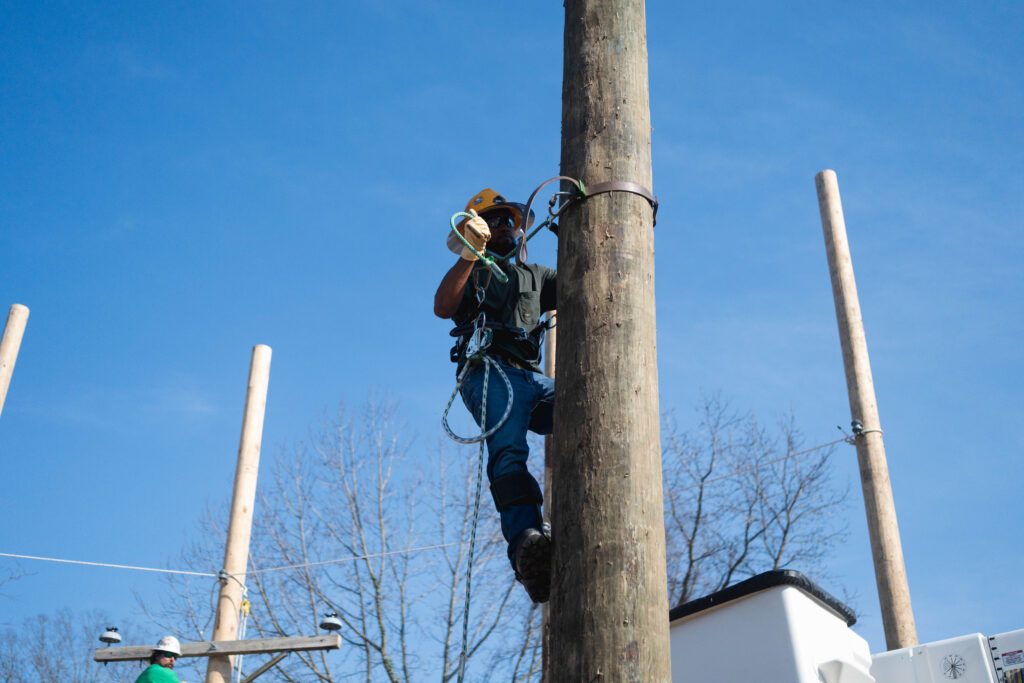
When a storm rolls through and takes out power to an entire neighborhood, electrical lineworkers are the ones who drive out in the dark, climb a 60-foot pole in the rain, and bring the lights back on. Most people never think about the infrastructure behind a working outlet. Linemen keep it working, and when something fails, they're the first ones out the door to fix it. If you're drawn to hands-on work, outdoor environments, and a career that pays well without a four-year degree, electrical ... Read more
What Do Medical Assistants Do? A Complete Guide to Job Duties

Overview of Medical Assistant Responsibilities Medical assistants are the heartbeat of the healthcare system, often serving as a point of contact between patients and healthcare staff. They support smooth communication and provide care that keeps everything functioning smoothly at healthcare facilities. Their responsibilities are a blend of clinical and administrative tasks, each playing a part in patient care and operational flow. Here’s a peek at the diverse duties medical assistants ... Read more
Can Medical Assistants Give Injections?

Overview of Medical Assistants' Scope of Practice Medical assistants support healthcare teams with administrative and clinical tasks. Their responsibilities generally fall into two main areas: It's important to note that state regulations shape what medical assistants can and cannot do, especially regarding injections. Knowing these rules is important for anyone looking to move into this field. Being aware of the boundaries not only helps maintain compliance with legal standards but also ... Read more
